
work with an actor - workshop

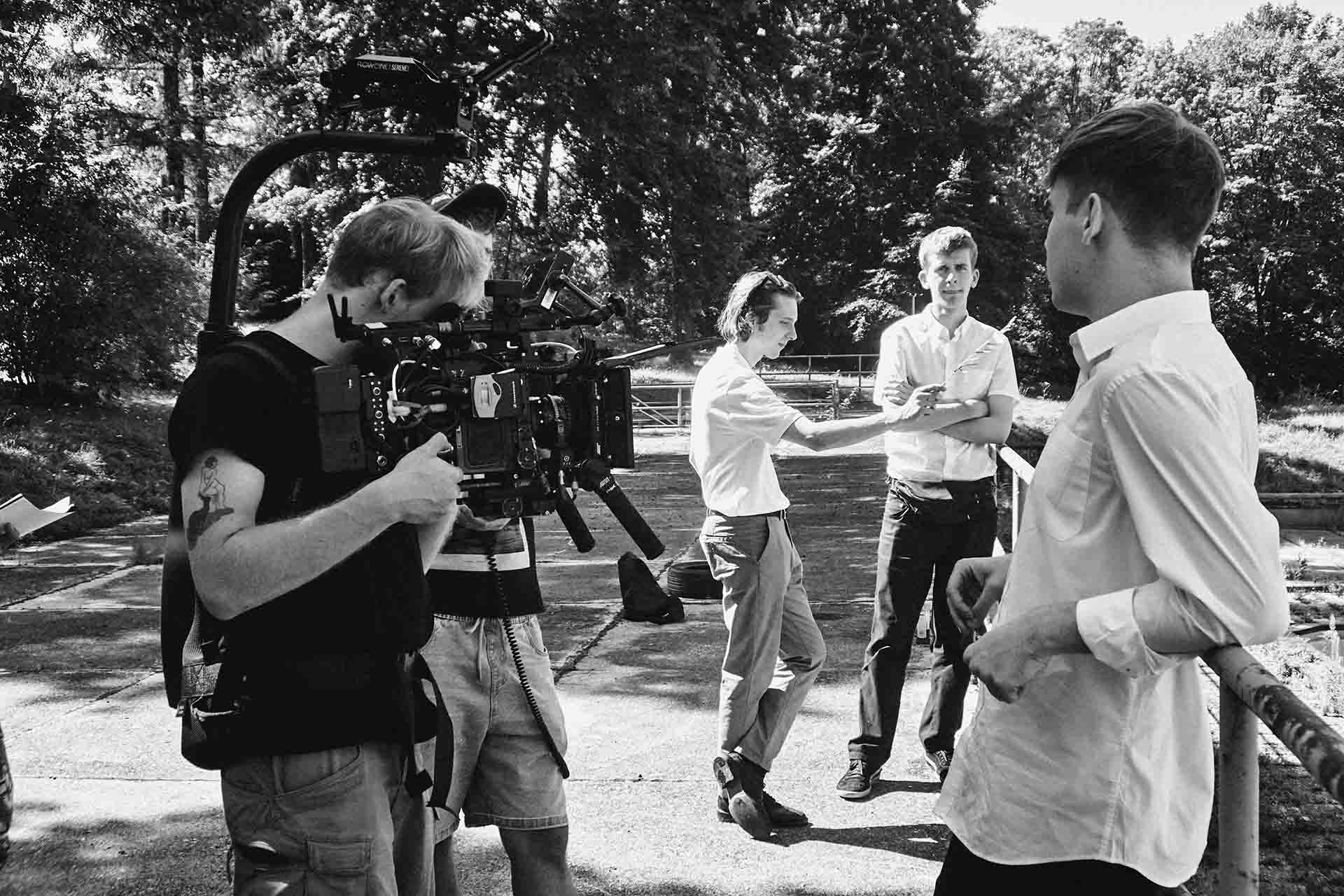
The multi-day workshop uncovers the secrets of working with actors to create authentic and moving film characters together. You will learn how to build character backstories, define character goals in the film and in each scene, and how to communicate feedback that will make an actor forget about acting and become a film character. Regardless of whether you are just starting your adventure with directing or are looking for new techniques and inspiration, the training will provide you with practical tools and knowledge necessary for effective work on a film set.

Who is the film staging workshop aimed at?

The "Working with an Actor" workshop is intended for a wide range of participants interested in film directing and creating authentic characters on screen. These are: Beginning directors, students, people with a passion for cinema who want to understand how to create believable characters, and people interested in film art who want to learn the secrets of working with actors.
What will you learn during workshops working with actors?

how to analyze
a scenario?

Script analysis provides a deeper understanding of characters and their motivations. During this process, the actor and director work together to explore the context of the scene, key narrative moments, and character development. Script analysis helps the actor identify the emotions and goals of the character, allowing for authentic embodying of the role. Through in-depth analysis of dialogue, character relationships, and scene dynamics, actors are able to better understand the context and message, resulting in more compelling and meaningful performances on screen.

How to communicate with actors?

Script analysis is the close study of a script to understand its structure, characters, themes, and character motivations. The process allows the director, actors, and the rest of the film crew to identify key narrative elements, such as the central conflict, turning points, and character development. Through in-depth analysis, filmmakers can prepare for effective execution, polishing dialogue, planning staging scenes, and ensuring that every aspect of the production supports the story's central vision and theme.

how to build a character backstory?

Frame composition is an element of filmmaking that determines the visual appeal and narrative power of an image. It involves the conscious arrangement of objects, characters, and space within the frame to create a harmonious and meaningful whole. Conscious filmmakers direct the viewer's gaze, build tension and emotions, and reinforce the message of the scene by using appropriate compositions. A well-composed frame can emphasize the relationships between characters, set the mood of the scene, and strengthen the narrative, making the film more engaging and memorable.

How to make an actor be the character rather than playing the character?

Both camera movement and actor movement can introduce the viewer to the film space, build tension and drive the narrative. Through techniques such as panning, camera movement and focus changes, directors can direct the viewer's attention to important details, enhancing the drama of the scene. Character movement on screen, on the other hand, adds authenticity and allows for a more natural presentation of interactions. Through the skillful use of movement, film staging becomes more engaging, visually interesting and effective in conveying the story.

how to use activating verbs?

Working with actors is a key aspect of directing, requiring communication skills, empathy and creativity. The director should create an atmosphere of trust in which the actors feel comfortable and safe. It is important to clearly communicate the vision of the characters and the scene, but at the same time be open to their interpretations and suggestions. Regular rehearsals, constructive feedback and emotional support help the actors to fully understand and embody the characters.

other techniques for leading actors

Blocking a scene is the process of planning the movements of characters and camera to create smooth, visually compelling shots. Understanding the emotional and narrative purpose of a scene is key, allowing for precise positioning of actors and props in space. The director, working with the camera operator and actors, determines the exact positions, movements, and interactions that will best convey the dynamics of a scene. Lighting and composition are also important considerations so that every movement enhances the atmosphere and message.

workshop leader

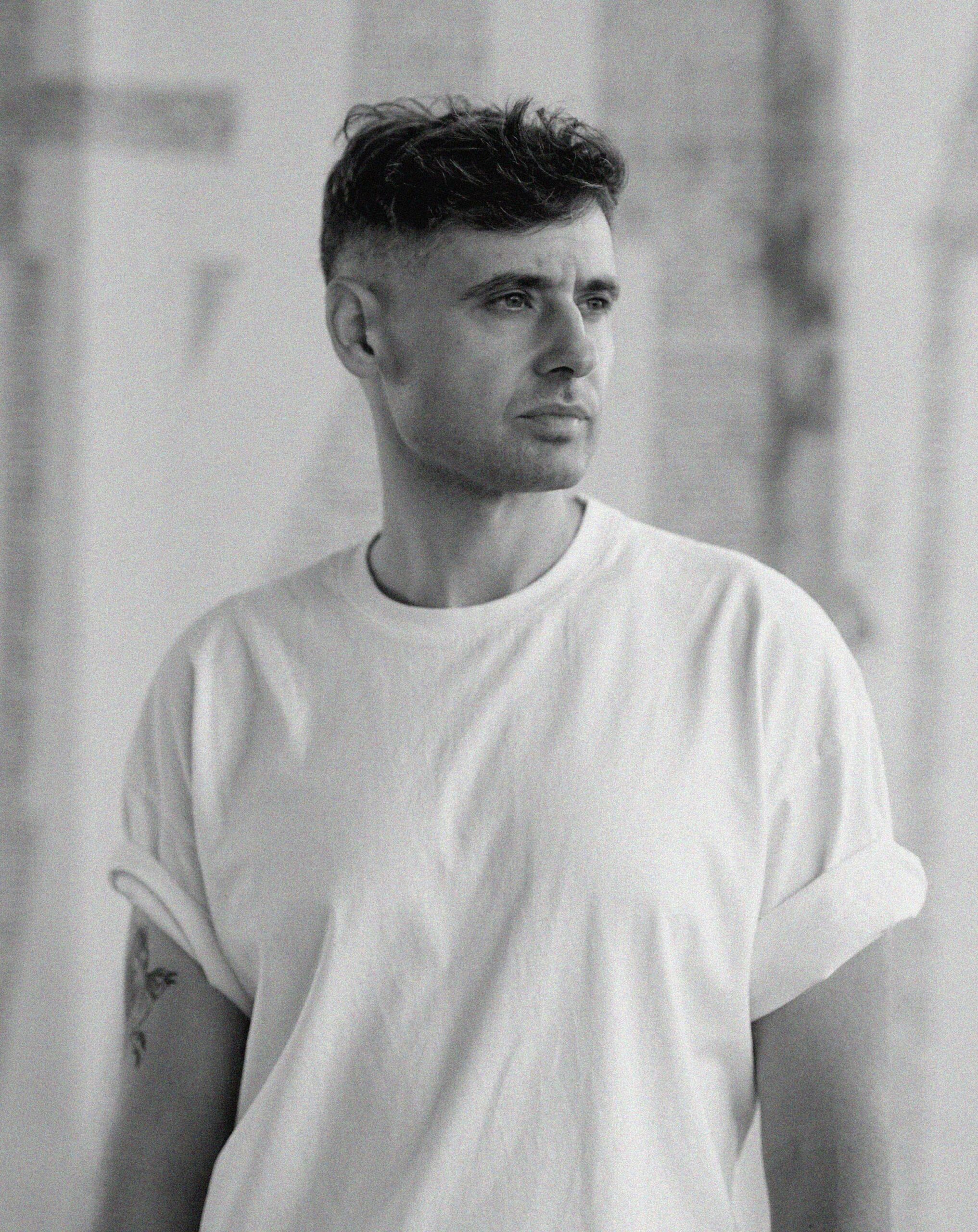
Mariusz Biernacki

I am a 5th year student of directing at the Łódź Film School. I am the author of three short feature films and 3 documentaries, which were presented at Polish and international film festivals.

I have perfected my directing skills under the supervision of renowned tutors and teachers such as: Anna Jadowska, Leszek Dawid, Jan Komasa, Maciej Pieprzyca and Grzegorz Jaroszuk.

I also carry out commercial projects for companies such as Deloitte, PKP SA, the Marshal's Office in Wrocław, the City of Opole, PGNiG, MPK Wrocław, Strefa Kultur Wrocław and many others.

Have any questions?

text me.

Podaj imię i adres email, aby przejść dalej